Buy daggershop.com ?
We are moving the project
daggershop.com .
Are you interested in purchasing the domain
daggershop.com ?
domain@kv-gmbh.de · 0541-91531010
Buy daggershop.com ?
Iron or cast iron pan?
It depends on the type of cooking you are doing. Iron pans are lighter and heat up faster, making them great for sautéing and frying. Cast iron pans, on the other hand, are heavier and retain heat well, making them ideal for searing and baking. Both types of pans have their own advantages, so it's best to have both in your kitchen for different cooking needs. **
Can cast iron and steel be welded together?
Yes, cast iron and steel can be welded together, but it can be challenging due to their different compositions and properties. Specialized welding techniques and filler materials may be required to ensure a strong and durable weld. It is important to carefully consider the compatibility of the two materials and consult with a welding expert to determine the best approach for welding cast iron and steel together. **

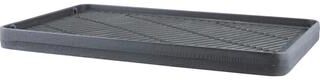
Similar search terms for Swissmar-Small-Cast-Iron
Top-Angebote
Products related to Swissmar-Small-Cast-Iron:
-
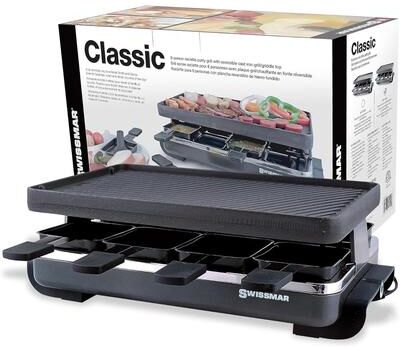
Swissmar Classic 8 Piece Raclette Cast Iron TopWonderful for entertaining: cook right at the table Grill top that measures 9 inches x 14 inches. Raclette comes with 8-heat resistant spatulas. Along with 8 raclette dishes. Variable heat control. 1200-Watt of power. Weight: 9 pounds.174,95 $*Shipping: 0,00 $Secure redirect to the provider
-
Can cast iron rust?
Yes, cast iron can rust. When exposed to moisture and oxygen, cast iron can develop rust, which is a form of iron oxide. To prevent rusting, it is important to properly season and maintain cast iron cookware by keeping it dry, seasoning it regularly, and storing it in a dry place. Regularly cleaning and oiling the cast iron can also help prevent rust from forming. **
-
What are the advantages of steel over cast iron?
Steel has several advantages over cast iron. It is stronger, more durable, and more resistant to corrosion. Steel also has a higher tensile strength, which means it can withstand greater stress and is less likely to break or deform under pressure. Additionally, steel is more versatile and can be easily shaped and formed into different structures and products. **
-
Are cast iron pans harmful?
Cast iron pans are generally safe to use for cooking. In fact, they can even provide some health benefits by adding small amounts of iron to your food. However, if the pan is not properly seasoned or maintained, it can potentially leach iron into your food in excessive amounts, which may not be suitable for everyone. It is important to properly season and care for your cast iron pan to ensure its safety for cooking. **
-
Is cast iron an alloy?
Yes, cast iron is considered an alloy. It is made by melting together iron and other elements, such as carbon and silicon, to create a material with specific properties. The addition of these elements changes the structure and characteristics of the iron, making it stronger and more resistant to wear and corrosion. **
How is cast iron used?
Cast iron is commonly used in the manufacturing of cookware such as skillets, pans, and Dutch ovens due to its excellent heat retention and distribution properties. It is also used in the construction industry for items like pipes, gutters, and manhole covers due to its durability and strength. Additionally, cast iron is used in the automotive industry for engine blocks and cylinder heads because of its ability to withstand high temperatures. **
What is the actual difference between cast iron and steel?
The main difference between cast iron and steel is their carbon content. Cast iron contains a higher amount of carbon (2-4%) compared to steel (0.2-2%). This higher carbon content makes cast iron more brittle and less malleable than steel. Additionally, cast iron has a lower melting point than steel, making it easier to cast into intricate shapes. On the other hand, steel is more versatile and can be easily welded and formed into various shapes, making it suitable for a wide range of applications. **
Top-Angebote
Products related to Swissmar-Small-Cast-Iron:
-
Swissmar Classic 8 Piece Raclette Cast Iron TopWonderful for entertaining: cook right at the table Grill top that measures 9 inches x 14 inches. Raclette comes with 8-heat resistant spatulas. Along with 8 raclette dishes. Variable heat control. 1200-Watt of power. Weight: 9 pounds.174,95 $*Shipping: 0,00 $Secure redirect to the provider
-
Iron or cast iron pan?
It depends on the type of cooking you are doing. Iron pans are lighter and heat up faster, making them great for sautéing and frying. Cast iron pans, on the other hand, are heavier and retain heat well, making them ideal for searing and baking. Both types of pans have their own advantages, so it's best to have both in your kitchen for different cooking needs. **
-
Can cast iron and steel be welded together?
Yes, cast iron and steel can be welded together, but it can be challenging due to their different compositions and properties. Specialized welding techniques and filler materials may be required to ensure a strong and durable weld. It is important to carefully consider the compatibility of the two materials and consult with a welding expert to determine the best approach for welding cast iron and steel together. **
-
Can cast iron rust?
Yes, cast iron can rust. When exposed to moisture and oxygen, cast iron can develop rust, which is a form of iron oxide. To prevent rusting, it is important to properly season and maintain cast iron cookware by keeping it dry, seasoning it regularly, and storing it in a dry place. Regularly cleaning and oiling the cast iron can also help prevent rust from forming. **
-
What are the advantages of steel over cast iron?
Steel has several advantages over cast iron. It is stronger, more durable, and more resistant to corrosion. Steel also has a higher tensile strength, which means it can withstand greater stress and is less likely to break or deform under pressure. Additionally, steel is more versatile and can be easily shaped and formed into different structures and products. **
Similar search terms for Swissmar-Small-Cast-Iron
-
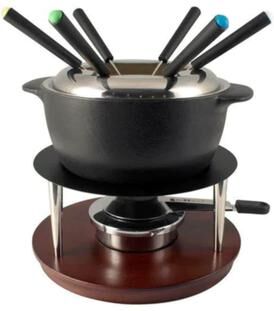
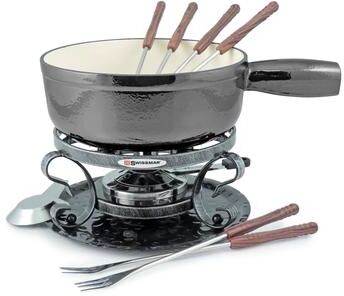
Swissmar Lugano Metallic Black Cast Iron Cheese Fondue SetThis classic Swiss caquelon-shaped fondue pot is crafted from high-quality enameled cast iron, delivering superior heat retention and even heating essential for melting cheese perfectly.119,95 $*Shipping: 0,00 $Secure redirect to the provider
-
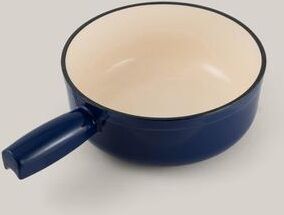
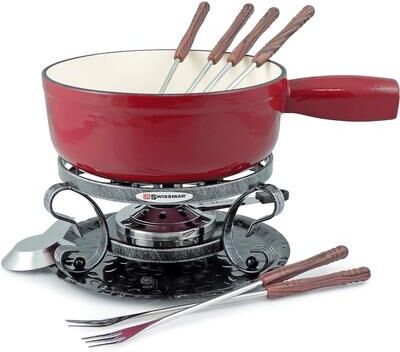
Swissmar Lucerne Red 3-in-1 Cast Iron Fondue SetThe Lucerne 10-Piece Fondue Set is crafted from high-quality enameled cast iron, delivering exceptional heat distribution and retention to maintain the perfect temperature for all types of fondue—whether creamy cheese, rich chocolate, or sizzling...139,95 $*Shipping: 0,00 $Secure redirect to the provider
-
Are cast iron pans harmful?
Cast iron pans are generally safe to use for cooking. In fact, they can even provide some health benefits by adding small amounts of iron to your food. However, if the pan is not properly seasoned or maintained, it can potentially leach iron into your food in excessive amounts, which may not be suitable for everyone. It is important to properly season and care for your cast iron pan to ensure its safety for cooking. **
-
Is cast iron an alloy?
Yes, cast iron is considered an alloy. It is made by melting together iron and other elements, such as carbon and silicon, to create a material with specific properties. The addition of these elements changes the structure and characteristics of the iron, making it stronger and more resistant to wear and corrosion. **
-
How is cast iron used?
Cast iron is commonly used in the manufacturing of cookware such as skillets, pans, and Dutch ovens due to its excellent heat retention and distribution properties. It is also used in the construction industry for items like pipes, gutters, and manhole covers due to its durability and strength. Additionally, cast iron is used in the automotive industry for engine blocks and cylinder heads because of its ability to withstand high temperatures. **
-
What is the actual difference between cast iron and steel?
The main difference between cast iron and steel is their carbon content. Cast iron contains a higher amount of carbon (2-4%) compared to steel (0.2-2%). This higher carbon content makes cast iron more brittle and less malleable than steel. Additionally, cast iron has a lower melting point than steel, making it easier to cast into intricate shapes. On the other hand, steel is more versatile and can be easily welded and formed into various shapes, making it suitable for a wide range of applications. **
* All prices are inclusive of VAT and, if applicable, plus shipping costs. The offer information is based on the details provided by the respective shop and is updated through automated processes. Real-time updates do not occur, so deviations can occur in individual cases. ** Note: Parts of this content were created by AI.