Buy daggershop.com ?
We are moving the project
daggershop.com .
Are you interested in purchasing the domain
daggershop.com ?
domain@kv-gmbh.de · 0541-91531010
Buy daggershop.com ?
Can someone name the most important engine parts?
Some of the most important engine parts include the pistons, which move up and down to generate power; the cylinder block, which houses the cylinders and other major engine components; the crankshaft, which converts the up-and-down motion of the pistons into rotational motion; the camshaft, which controls the opening and closing of the engine's valves; and the cylinder head, which contains the valves, spark plugs, and other components necessary for combustion. These parts work together to ensure the proper functioning of the engine and are crucial for its overall performance. **
How many individual parts does a gasoline engine have?
A gasoline engine typically consists of hundreds of individual parts. Some of the key components include the cylinder block, pistons, crankshaft, camshaft, valves, spark plugs, fuel injectors, and various sensors. Each part plays a crucial role in the functioning of the engine, working together to generate power and propel the vehicle. **


Similar search terms for KAVO-PARTS-EEM-2050-Engine
Top-Angebote
Products related to KAVO-PARTS-EEM-2050-Engine:
-
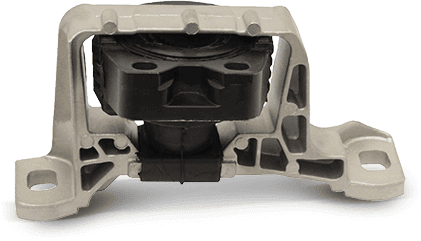
KAVO PARTS EEM-9090 Engine mountFitting Position: Front; Transmission Type: Automatic Transmission; Vehicle type: Celica (Nato); Construction Year to: 08/2002, 07/2002, 05/2004; Construction Year from: 05/2003, 04/2003; for OE number: 1236127030; Vehicle Equipment Line/Trim Level: PRT PRD IN JP(+), J; Vehicle Production Country: Great Britain, Japan; Country Specific Design: Japan40,49 £*Shipping: 8,45 £Secure redirect to the provider


-
Roughly how many parts does a gasoline engine consist of?
A gasoline engine consists of many parts, but the main components can be roughly categorized into the following groups: the engine block, cylinder head, pistons, connecting rods, crankshaft, camshaft, valves, fuel injectors, intake and exhaust manifolds, and the ignition system. This is a simplified breakdown, and there are many more smaller components that make up a gasoline engine, but these are the essential parts that work together to produce power and drive a vehicle. **
-
What are the parts of an engine and what are their functions?
An engine typically consists of several key components, including the cylinder block, pistons, crankshaft, camshaft, valves, spark plugs, and fuel injectors. The cylinder block houses the cylinders where the combustion process takes place. Pistons move up and down within the cylinders, converting the energy from the combustion process into mechanical motion. The crankshaft converts the linear motion of the pistons into rotational motion, which drives the vehicle. The camshaft controls the opening and closing of the valves, allowing air and fuel to enter the cylinders and exhaust gases to exit. Spark plugs ignite the air-fuel mixture in the cylinders, while fuel injectors deliver the right amount of fuel for combustion. **
-
What is the CPU cooler 2050?
The CPU cooler 2050 is a futuristic cooling system designed to efficiently dissipate heat from the CPU in order to maintain optimal operating temperatures. It is equipped with advanced technology such as liquid cooling, heat pipes, and high-performance fans to effectively remove heat from the CPU. The CPU cooler 2050 is designed to be compact, quiet, and energy-efficient, making it an ideal choice for high-performance computing systems in the future. **
-
How can galvanized steel parts be de-zinced?
Galvanized steel parts can be de-zinced through a process called acid pickling. In this process, the galvanized steel parts are submerged in a solution of hydrochloric acid or sulfuric acid, which dissolves the zinc coating. The steel parts are then rinsed and neutralized to remove any remaining acid. This process effectively removes the zinc coating, leaving the steel parts with a clean surface. It is important to note that this process should be done with caution and proper safety measures to avoid any harm from the acidic solution. **


What if climate change escalates by 2050?
If climate change escalates by 2050, we can expect to see more extreme weather events such as hurricanes, droughts, and heatwaves. Sea levels will continue to rise, leading to increased flooding and displacement of coastal communities. There will also be significant impacts on agriculture and food security, as changing weather patterns and increased temperatures will affect crop yields. Additionally, there will be a greater strain on natural resources and ecosystems, leading to loss of biodiversity and potential conflicts over water and land. It is crucial that we take immediate and significant action to mitigate the effects of climate change and transition to a more sustainable and resilient future. **
How do you imagine the year 2050?
In 2050, I imagine a world where technology has advanced significantly, leading to major breakthroughs in areas such as renewable energy, healthcare, and transportation. Climate change will have forced us to adopt more sustainable practices, and we will have made significant progress in reducing our carbon footprint. Society will be more inclusive and diverse, with greater equality and access to opportunities for all. Overall, I envision a future where humanity has come together to address the challenges of the 21st century and create a more prosperous and harmonious world for future generations. **
Top-Angebote
Products related to KAVO-PARTS-EEM-2050-Engine:
-
Can someone name the most important engine parts?
Some of the most important engine parts include the pistons, which move up and down to generate power; the cylinder block, which houses the cylinders and other major engine components; the crankshaft, which converts the up-and-down motion of the pistons into rotational motion; the camshaft, which controls the opening and closing of the engine's valves; and the cylinder head, which contains the valves, spark plugs, and other components necessary for combustion. These parts work together to ensure the proper functioning of the engine and are crucial for its overall performance. **
-
How many individual parts does a gasoline engine have?
A gasoline engine typically consists of hundreds of individual parts. Some of the key components include the cylinder block, pistons, crankshaft, camshaft, valves, spark plugs, fuel injectors, and various sensors. Each part plays a crucial role in the functioning of the engine, working together to generate power and propel the vehicle. **
-
Roughly how many parts does a gasoline engine consist of?
A gasoline engine consists of many parts, but the main components can be roughly categorized into the following groups: the engine block, cylinder head, pistons, connecting rods, crankshaft, camshaft, valves, fuel injectors, intake and exhaust manifolds, and the ignition system. This is a simplified breakdown, and there are many more smaller components that make up a gasoline engine, but these are the essential parts that work together to produce power and drive a vehicle. **
-
What are the parts of an engine and what are their functions?
An engine typically consists of several key components, including the cylinder block, pistons, crankshaft, camshaft, valves, spark plugs, and fuel injectors. The cylinder block houses the cylinders where the combustion process takes place. Pistons move up and down within the cylinders, converting the energy from the combustion process into mechanical motion. The crankshaft converts the linear motion of the pistons into rotational motion, which drives the vehicle. The camshaft controls the opening and closing of the valves, allowing air and fuel to enter the cylinders and exhaust gases to exit. Spark plugs ignite the air-fuel mixture in the cylinders, while fuel injectors deliver the right amount of fuel for combustion. **
Similar search terms for KAVO-PARTS-EEM-2050-Engine
-
KAVO PARTS EEM-9090 Engine mountFitting Position: Front; Transmission Type: Automatic Transmission; Vehicle type: Celica (Nato); Construction Year to: 08/2002, 07/2002, 05/2004; Construction Year from: 05/2003, 04/2003; for OE number: 1236127030; Vehicle Equipment Line/Trim Level: PRT PRD IN JP(+), J; Vehicle Production Country: Great Britain, Japan; Country Specific Design: Japan40,49 £*Shipping: 8,45 £Secure redirect to the provider
-
What is the CPU cooler 2050?
The CPU cooler 2050 is a futuristic cooling system designed to efficiently dissipate heat from the CPU in order to maintain optimal operating temperatures. It is equipped with advanced technology such as liquid cooling, heat pipes, and high-performance fans to effectively remove heat from the CPU. The CPU cooler 2050 is designed to be compact, quiet, and energy-efficient, making it an ideal choice for high-performance computing systems in the future. **
-
How can galvanized steel parts be de-zinced?
Galvanized steel parts can be de-zinced through a process called acid pickling. In this process, the galvanized steel parts are submerged in a solution of hydrochloric acid or sulfuric acid, which dissolves the zinc coating. The steel parts are then rinsed and neutralized to remove any remaining acid. This process effectively removes the zinc coating, leaving the steel parts with a clean surface. It is important to note that this process should be done with caution and proper safety measures to avoid any harm from the acidic solution. **
-
What if climate change escalates by 2050?
If climate change escalates by 2050, we can expect to see more extreme weather events such as hurricanes, droughts, and heatwaves. Sea levels will continue to rise, leading to increased flooding and displacement of coastal communities. There will also be significant impacts on agriculture and food security, as changing weather patterns and increased temperatures will affect crop yields. Additionally, there will be a greater strain on natural resources and ecosystems, leading to loss of biodiversity and potential conflicts over water and land. It is crucial that we take immediate and significant action to mitigate the effects of climate change and transition to a more sustainable and resilient future. **
-
How do you imagine the year 2050?
In 2050, I imagine a world where technology has advanced significantly, leading to major breakthroughs in areas such as renewable energy, healthcare, and transportation. Climate change will have forced us to adopt more sustainable practices, and we will have made significant progress in reducing our carbon footprint. Society will be more inclusive and diverse, with greater equality and access to opportunities for all. Overall, I envision a future where humanity has come together to address the challenges of the 21st century and create a more prosperous and harmonious world for future generations. **
* All prices are inclusive of VAT and, if applicable, plus shipping costs. The offer information is based on the details provided by the respective shop and is updated through automated processes. Real-time updates do not occur, so deviations can occur in individual cases. ** Note: Parts of this content were created by AI.