Buy daggershop.com ?
We are moving the project
daggershop.com .
Are you interested in purchasing the domain
daggershop.com ?
domain@kv-gmbh.de · 0541-91531010
Buy daggershop.com ?
On which steel do you drill dimples with a drill?
You can drill dimples on various types of steel, but it is most commonly done on mild steel, which is a type of low carbon steel. Mild steel is relatively easy to work with and is commonly used in construction, manufacturing, and other industrial applications. When drilling dimples on steel, it is important to use the appropriate drill bit and drilling technique to ensure clean and precise results. **
Can one easily drill through steel with a titanium drill bit?
While titanium drill bits are known for their durability and ability to drill through a variety of materials, including steel, it may not be as easy as drilling through softer materials. Steel is a tough and hard material, so it may require more effort and time to drill through it with a titanium drill bit. It is recommended to use a slower speed and apply steady pressure when drilling through steel to achieve the best results. **
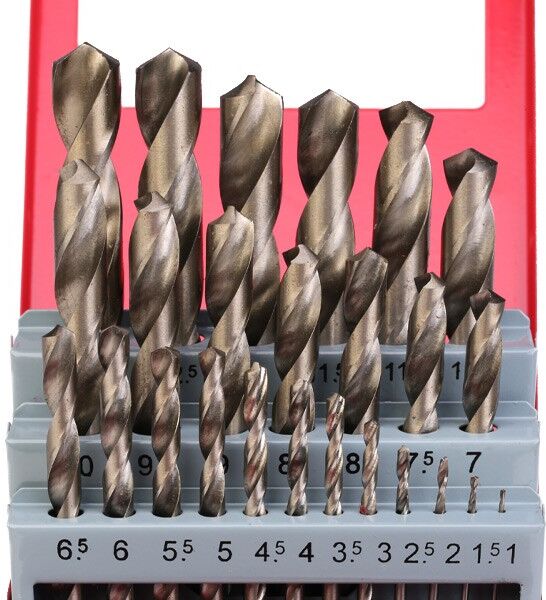

Similar search terms for ENERGY-NE00463-Step-Drill
Top-Angebote
Products related to ENERGY-NE00463-Step-Drill:
-
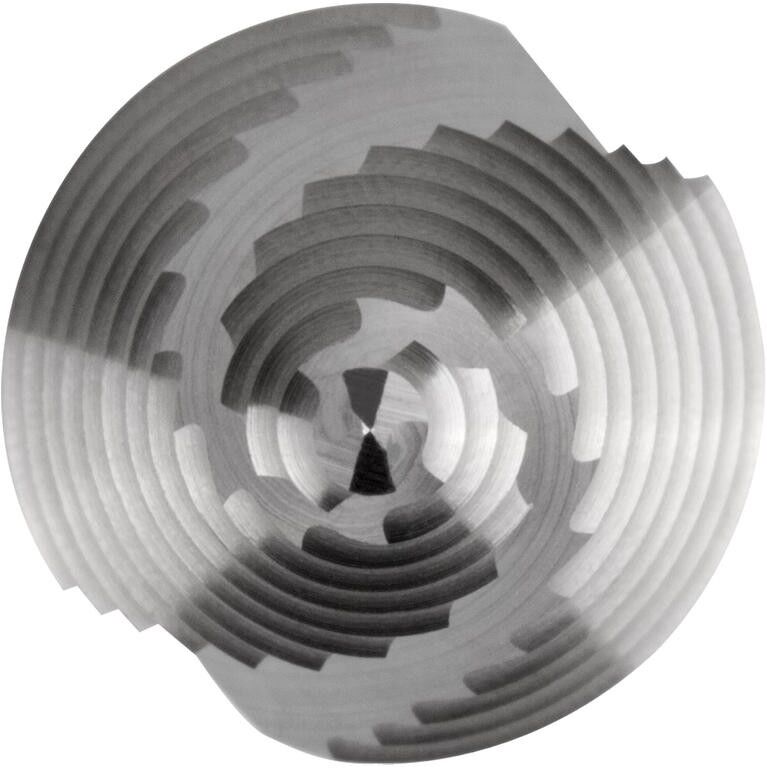
Hogert Technik HT6D323 Step DrillMaterial: High-speed steel; Surface: Titanium Nitride (Tin) coated; Diameter from [mm]: 4; Diameter up to [mm]: 32; Shape: Conical; Angle [°]: 118°; DIN/ISO: DIN 1412C; Suitable For (substance/mix/gas/chemicals): Wood, Metal, Plastic; Drive [inch]: 1/411,99 £*Shipping: 8,45 £Secure redirect to the provider



-
How do you drill spring steel?
Drilling spring steel requires using a high-speed steel drill bit with a cobalt content to withstand the hardness of the steel. It is important to use a slow speed and high pressure when drilling to prevent overheating and dulling of the drill bit. Lubricating the drill bit with cutting fluid or oil can also help reduce friction and heat buildup during the drilling process. Additionally, using a center punch to create a starting point for the drill bit can help ensure accuracy and prevent the bit from wandering on the surface of the steel. **
-
'How do you drill hardened steel?'
Drilling hardened steel requires using a high-speed steel (HSS) drill bit or a carbide-tipped drill bit. It is important to use a slow speed and high pressure when drilling to prevent overheating and dulling of the drill bit. Lubrication, such as using cutting oil or a lubricant specifically designed for metal drilling, is also essential to reduce friction and heat buildup. Additionally, using a center punch to create a starting point for the drill bit can help prevent it from slipping on the hardened steel surface. **
-
How do you drill reinforcement steel?
To drill reinforcement steel, you will need a high-quality drill with a sharp masonry bit specifically designed for drilling through steel. It's important to use a slow speed and apply steady pressure to avoid overheating the drill bit and damaging the steel. Additionally, using a lubricant such as cutting oil can help to reduce friction and prolong the life of the drill bit. It's also important to wear appropriate safety gear, such as goggles and gloves, when drilling reinforcement steel to protect yourself from any metal shards or debris. **
-
Should I use a steel concrete drill or an extra hammer drill?
The choice between a steel concrete drill and an extra hammer drill depends on the specific requirements of your project. If you are drilling into hard materials like concrete or masonry, a steel concrete drill may be more suitable due to its specialized design for these materials. However, if you need a versatile tool that can also be used for other drilling applications, an extra hammer drill may be a better option. Consider the specific needs of your project and the materials you will be working with to determine which tool will be most effective for the job. **


How do you drill into hardened steel?
Drilling into hardened steel requires using a drill bit specifically designed for the task, such as cobalt or carbide-tipped bits. It is important to use a slow speed and high pressure when drilling to prevent overheating and dulling of the bit. Lubricating the drilling area with cutting fluid or oil can also help reduce friction and heat buildup. Additionally, periodically pausing to allow the bit to cool down and clearing away metal shavings can improve drilling efficiency and prolong the life of the drill bit. **
Does this step mean that I need a cordless drill? Because I don't have one.
Yes, this step does require a cordless drill. If you don't have one, you may need to borrow or purchase one in order to complete the task. Alternatively, you could consider using a manual screwdriver, but it may take longer and require more effort. **
Top-Angebote
Products related to ENERGY-NE00463-Step-Drill:
-
On which steel do you drill dimples with a drill?
You can drill dimples on various types of steel, but it is most commonly done on mild steel, which is a type of low carbon steel. Mild steel is relatively easy to work with and is commonly used in construction, manufacturing, and other industrial applications. When drilling dimples on steel, it is important to use the appropriate drill bit and drilling technique to ensure clean and precise results. **
-
Can one easily drill through steel with a titanium drill bit?
While titanium drill bits are known for their durability and ability to drill through a variety of materials, including steel, it may not be as easy as drilling through softer materials. Steel is a tough and hard material, so it may require more effort and time to drill through it with a titanium drill bit. It is recommended to use a slower speed and apply steady pressure when drilling through steel to achieve the best results. **
-
How do you drill spring steel?
Drilling spring steel requires using a high-speed steel drill bit with a cobalt content to withstand the hardness of the steel. It is important to use a slow speed and high pressure when drilling to prevent overheating and dulling of the drill bit. Lubricating the drill bit with cutting fluid or oil can also help reduce friction and heat buildup during the drilling process. Additionally, using a center punch to create a starting point for the drill bit can help ensure accuracy and prevent the bit from wandering on the surface of the steel. **
-
'How do you drill hardened steel?'
Drilling hardened steel requires using a high-speed steel (HSS) drill bit or a carbide-tipped drill bit. It is important to use a slow speed and high pressure when drilling to prevent overheating and dulling of the drill bit. Lubrication, such as using cutting oil or a lubricant specifically designed for metal drilling, is also essential to reduce friction and heat buildup. Additionally, using a center punch to create a starting point for the drill bit can help prevent it from slipping on the hardened steel surface. **
Similar search terms for ENERGY-NE00463-Step-Drill
-
Hogert Technik HT6D323 Step DrillMaterial: High-speed steel; Surface: Titanium Nitride (Tin) coated; Diameter from [mm]: 4; Diameter up to [mm]: 32; Shape: Conical; Angle [°]: 118°; DIN/ISO: DIN 1412C; Suitable For (substance/mix/gas/chemicals): Wood, Metal, Plastic; Drive [inch]: 1/411,99 £*Shipping: 8,45 £Secure redirect to the provider
-
Hogert Technik HT6D326 Step DrillMaterial: High-speed steel; Surface: Titanium Nitride (Tin) coated; Diameter from [mm]: 4; Diameter up to [mm]: 32; Angle [°]: 118°; DIN/ISO: DIN 1412C; Suitable For (substance/mix/gas/chemicals): Wood, Metal, Plastic; Drive [inch]: 1/413,49 £*Shipping: 8,45 £Secure redirect to the provider
-
YATO YT-44740 Step DrillDiameter from [mm]: 6; Diameter up to [mm]: 38; Material: High-speed steel; Length [mm]: 105; Number of switch stages: 12; Surface: Titanium coated, gold-flashed; for wall thickness to [mm]: 4; Container Type: Blister Pack; Shape: Conical12,49 £*Shipping: 8,45 £Secure redirect to the provider
-
How do you drill reinforcement steel?
To drill reinforcement steel, you will need a high-quality drill with a sharp masonry bit specifically designed for drilling through steel. It's important to use a slow speed and apply steady pressure to avoid overheating the drill bit and damaging the steel. Additionally, using a lubricant such as cutting oil can help to reduce friction and prolong the life of the drill bit. It's also important to wear appropriate safety gear, such as goggles and gloves, when drilling reinforcement steel to protect yourself from any metal shards or debris. **
-
Should I use a steel concrete drill or an extra hammer drill?
The choice between a steel concrete drill and an extra hammer drill depends on the specific requirements of your project. If you are drilling into hard materials like concrete or masonry, a steel concrete drill may be more suitable due to its specialized design for these materials. However, if you need a versatile tool that can also be used for other drilling applications, an extra hammer drill may be a better option. Consider the specific needs of your project and the materials you will be working with to determine which tool will be most effective for the job. **
-
How do you drill into hardened steel?
Drilling into hardened steel requires using a drill bit specifically designed for the task, such as cobalt or carbide-tipped bits. It is important to use a slow speed and high pressure when drilling to prevent overheating and dulling of the bit. Lubricating the drilling area with cutting fluid or oil can also help reduce friction and heat buildup. Additionally, periodically pausing to allow the bit to cool down and clearing away metal shavings can improve drilling efficiency and prolong the life of the drill bit. **
-
Does this step mean that I need a cordless drill? Because I don't have one.
Yes, this step does require a cordless drill. If you don't have one, you may need to borrow or purchase one in order to complete the task. Alternatively, you could consider using a manual screwdriver, but it may take longer and require more effort. **
* All prices are inclusive of VAT and, if applicable, plus shipping costs. The offer information is based on the details provided by the respective shop and is updated through automated processes. Real-time updates do not occur, so deviations can occur in individual cases. ** Note: Parts of this content were created by AI.