Buy daggershop.com ?
We are moving the project
daggershop.com .
Are you interested in purchasing the domain
daggershop.com ?
domain@kv-gmbh.de · 0541-91531010
Buy daggershop.com ?
Can glass cleaner mold?
Yes, glass cleaner can mold if it is not properly stored or if it comes into contact with moisture. Mold can grow in the bottle or container of glass cleaner if it is not tightly sealed or if it is stored in a damp or humid environment. To prevent mold growth, it is important to store glass cleaner in a cool, dry place and to ensure that the container is tightly sealed after each use. Regularly checking the condition of the glass cleaner and replacing it if mold is present is also important to prevent any potential health hazards. **
Which glass cleaner is the best?
The best glass cleaner is subjective and depends on individual preferences and needs. Some people may prefer a natural, non-toxic glass cleaner, while others may prioritize a streak-free finish. It's important to consider factors such as effectiveness, safety, and environmental impact when choosing a glass cleaner. Reading reviews and testing different products can help determine which glass cleaner is the best for your specific needs. **
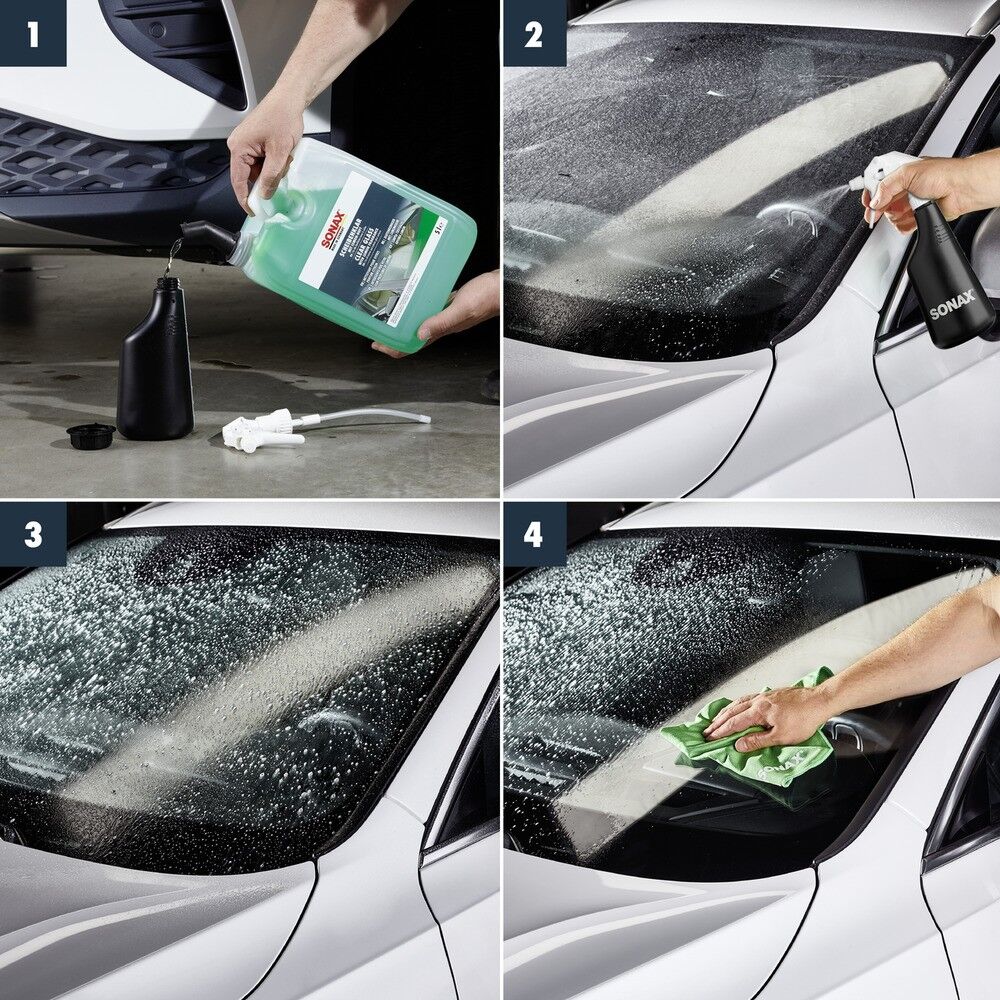
Similar search terms for Miniml-Window-Glass-Cleaner
Top-Angebote
Products related to Miniml-Window-Glass-Cleaner:
-
PRESTO 383311 Window cleanerOperating temperature from [°C]: 5; Operating temperature to [°C]: 30; Container Type: aerosol; Capacity [ml]: 600; Height: 283; Width [mm]: 65; Depth [mm]: 65; Weight [kg]: 0,666; Liquid: ; Observe service information:5,99 £*Shipping: 8,45 £Secure redirect to the provider

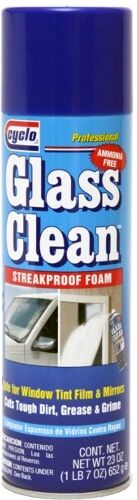
-
What is a window cleaner fish?
A window cleaner fish, also known as a cleaner wrasse, is a type of small marine fish that feeds on parasites and dead tissue from other fish. They are known for their symbiotic relationship with larger fish, as they provide a cleaning service by removing parasites from the skin and gills of their clients. This behavior helps to keep the larger fish healthy and free from harmful parasites. Window cleaner fish are commonly found on coral reefs and other tropical marine environments. **
-
What is window glass LSF?
Window glass LSF stands for Low Solar Factor glass, which is a type of glass that is designed to reduce the amount of solar heat gain entering a building through windows. This helps to improve energy efficiency by reducing the need for air conditioning and cooling systems. Window glass LSF is often used in buildings in hot climates to help maintain a comfortable indoor temperature and reduce energy costs. **
-
What is window glass SPF?
Window glass SPF refers to the Sun Protection Factor of the glass used in windows. It measures the ability of the glass to block harmful UV rays from the sun. A higher SPF value indicates better protection from UV radiation, which can help reduce the risk of skin damage and fading of furniture and fabrics inside the building. It is important to consider window glass SPF when choosing windows for a building to ensure adequate protection from the sun's harmful rays. **
-
Plexiglass or glass - which window?
It depends on the specific needs and preferences of the individual. Plexiglass is lighter, more flexible, and less likely to shatter, making it a safer option in some situations. However, glass is more scratch-resistant and provides better clarity and transparency. Consider the intended use, location, and desired durability when choosing between plexiglass and glass for windows. **


Is it dangerous to swallow glass cleaner?
Yes, swallowing glass cleaner can be very dangerous. Glass cleaners often contain toxic chemicals such as ammonia or bleach that can cause serious harm if ingested. These chemicals can irritate the throat and stomach, leading to symptoms such as nausea, vomiting, abdominal pain, and even chemical burns. Ingesting glass cleaner can also result in more severe complications such as difficulty breathing, organ damage, or even death. If someone swallows glass cleaner, it is important to seek immediate medical attention. **
What happens if you swallow glass cleaner?
Swallowing glass cleaner can be extremely dangerous and potentially life-threatening. The chemicals in glass cleaner, such as ammonia or bleach, can cause severe damage to the digestive system, leading to irritation, burns, and even perforation of the esophagus, stomach, or intestines. Ingesting glass cleaner can also lead to symptoms such as nausea, vomiting, difficulty breathing, and in severe cases, can result in organ damage or failure. It is important to seek immediate medical attention if someone has swallowed glass cleaner. **
Top-Angebote
Products related to Miniml-Window-Glass-Cleaner:
-
PRESTO 383311 Window cleanerOperating temperature from [°C]: 5; Operating temperature to [°C]: 30; Container Type: aerosol; Capacity [ml]: 600; Height: 283; Width [mm]: 65; Depth [mm]: 65; Weight [kg]: 0,666; Liquid: ; Observe service information:5,99 £*Shipping: 8,45 £Secure redirect to the provider
-
Can glass cleaner mold?
Yes, glass cleaner can mold if it is not properly stored or if it comes into contact with moisture. Mold can grow in the bottle or container of glass cleaner if it is not tightly sealed or if it is stored in a damp or humid environment. To prevent mold growth, it is important to store glass cleaner in a cool, dry place and to ensure that the container is tightly sealed after each use. Regularly checking the condition of the glass cleaner and replacing it if mold is present is also important to prevent any potential health hazards. **
-
Which glass cleaner is the best?
The best glass cleaner is subjective and depends on individual preferences and needs. Some people may prefer a natural, non-toxic glass cleaner, while others may prioritize a streak-free finish. It's important to consider factors such as effectiveness, safety, and environmental impact when choosing a glass cleaner. Reading reviews and testing different products can help determine which glass cleaner is the best for your specific needs. **
-
What is a window cleaner fish?
A window cleaner fish, also known as a cleaner wrasse, is a type of small marine fish that feeds on parasites and dead tissue from other fish. They are known for their symbiotic relationship with larger fish, as they provide a cleaning service by removing parasites from the skin and gills of their clients. This behavior helps to keep the larger fish healthy and free from harmful parasites. Window cleaner fish are commonly found on coral reefs and other tropical marine environments. **
-
What is window glass LSF?
Window glass LSF stands for Low Solar Factor glass, which is a type of glass that is designed to reduce the amount of solar heat gain entering a building through windows. This helps to improve energy efficiency by reducing the need for air conditioning and cooling systems. Window glass LSF is often used in buildings in hot climates to help maintain a comfortable indoor temperature and reduce energy costs. **
Similar search terms for Miniml-Window-Glass-Cleaner
-
What is window glass SPF?
Window glass SPF refers to the Sun Protection Factor of the glass used in windows. It measures the ability of the glass to block harmful UV rays from the sun. A higher SPF value indicates better protection from UV radiation, which can help reduce the risk of skin damage and fading of furniture and fabrics inside the building. It is important to consider window glass SPF when choosing windows for a building to ensure adequate protection from the sun's harmful rays. **
-
Plexiglass or glass - which window?
It depends on the specific needs and preferences of the individual. Plexiglass is lighter, more flexible, and less likely to shatter, making it a safer option in some situations. However, glass is more scratch-resistant and provides better clarity and transparency. Consider the intended use, location, and desired durability when choosing between plexiglass and glass for windows. **
-
Is it dangerous to swallow glass cleaner?
Yes, swallowing glass cleaner can be very dangerous. Glass cleaners often contain toxic chemicals such as ammonia or bleach that can cause serious harm if ingested. These chemicals can irritate the throat and stomach, leading to symptoms such as nausea, vomiting, abdominal pain, and even chemical burns. Ingesting glass cleaner can also result in more severe complications such as difficulty breathing, organ damage, or even death. If someone swallows glass cleaner, it is important to seek immediate medical attention. **
-
What happens if you swallow glass cleaner?
Swallowing glass cleaner can be extremely dangerous and potentially life-threatening. The chemicals in glass cleaner, such as ammonia or bleach, can cause severe damage to the digestive system, leading to irritation, burns, and even perforation of the esophagus, stomach, or intestines. Ingesting glass cleaner can also lead to symptoms such as nausea, vomiting, difficulty breathing, and in severe cases, can result in organ damage or failure. It is important to seek immediate medical attention if someone has swallowed glass cleaner. **
* All prices are inclusive of VAT and, if applicable, plus shipping costs. The offer information is based on the details provided by the respective shop and is updated through automated processes. Real-time updates do not occur, so deviations can occur in individual cases. ** Note: Parts of this content were created by AI.