Buy daggershop.com ?
We are moving the project
daggershop.com .
Are you interested in purchasing the domain
daggershop.com ?
domain@kv-gmbh.de · 0541-91531010
Buy daggershop.com ?
How fast does the gas meter count the water pipe and the gas pipe?
The speed at which the gas meter counts the water pipe and the gas pipe depends on the flow rate of the water and gas. The gas meter measures the volume of gas passing through it in cubic feet or cubic meters per hour, while the water meter measures the volume of water passing through it in gallons or liters per minute. The speed at which the meters count can vary depending on the size of the pipes and the flow rate of the gas and water. Generally, the meters count the volume of gas and water passing through them in real-time, providing accurate measurements of consumption. **
'Steel pipe or solid material?'
The choice between steel pipe and solid material depends on the specific application and requirements. Steel pipe is often used for conveying fluids and gases, as it is lighter and more cost-effective than solid material. On the other hand, solid material may be preferred for structural applications where strength and rigidity are crucial. It is important to consider factors such as load-bearing capacity, corrosion resistance, and cost when deciding between steel pipe and solid material for a particular project. **
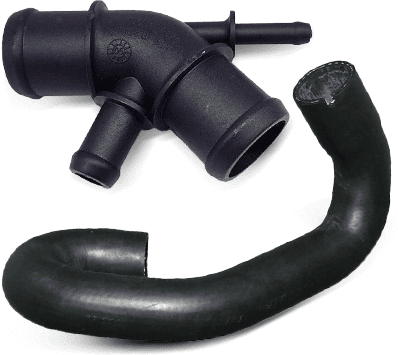
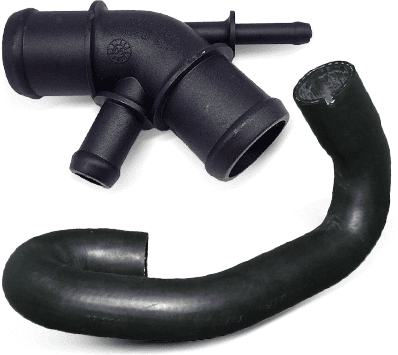
Similar search terms for FAST-FT00228-Coolant-pipe
Top-Angebote
Products related to FAST-FT00228-Coolant-pipe:
-
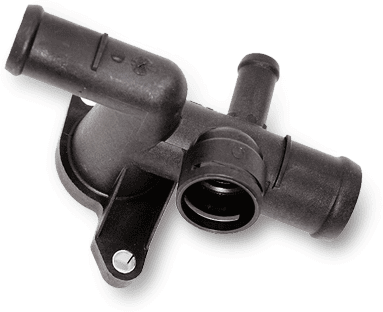
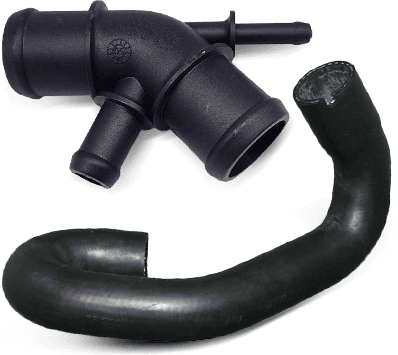
METZGER 4010724 Coolant pipeSupplementary Article / Supplementary Info Info 2: with seal ring; Material: NBR (nitrile butadiene rubber); TecDoc Engine Number: 25691, 18536, 22179, 28005, 34129, 35586, 37649, 46085; Construction Year to: 03/2010; Engine Number to: 11070532,99 £*Shipping: 8,45 £Secure redirect to the provider


-
How do I connect a plastic pipe to a steel pipe?
To connect a plastic pipe to a steel pipe, you can use a transition fitting specifically designed for this purpose. These fittings typically have a threaded end that can be screwed onto the steel pipe, and a solvent-weld or compression end that can be connected to the plastic pipe. Make sure to clean and prepare the ends of both pipes before connecting them, and use the appropriate sealant or adhesive to ensure a secure and leak-free connection. It's important to follow the manufacturer's instructions and local building codes when making this type of connection. **
-
How can one cool a steel pipe?
One way to cool a steel pipe is to use a process called quenching, where the hot steel pipe is rapidly cooled by immersing it in a liquid such as water or oil. Another method is to allow the steel pipe to cool slowly in a controlled environment, such as a furnace or air-cooled chamber. Additionally, using forced air or water cooling systems can help to speed up the cooling process of a steel pipe. **
-
How do I heat a steel pipe?
To heat a steel pipe, you can use a propane torch or an oxy-acetylene torch. Simply apply the flame to the area of the pipe that you want to heat, moving the torch back and forth to ensure even heating. Once the pipe reaches the desired temperature, you can then manipulate or shape it as needed. It's important to use caution and follow safety guidelines when working with torches and hot metal. **
-
Is there a stainless steel pipe with threads?
Yes, there are stainless steel pipes with threads. These pipes are often used in plumbing and industrial applications where a secure and leak-proof connection is required. The threads on the pipe allow for easy installation and connection with other threaded components such as fittings and valves. Stainless steel pipes with threads are known for their durability, corrosion resistance, and ability to withstand high temperatures, making them a popular choice for various applications. **
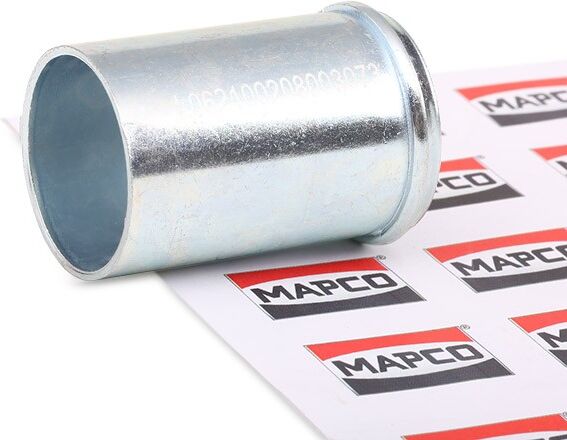

What is the equation for a steel pipe?
The equation for a steel pipe can be represented as: Stress = (Force * Length) / (π * (Outer Diameter^2 - Inner Diameter^2)) Where stress is the force applied to the pipe, length is the length of the pipe, π is a mathematical constant (approximately 3.14159), outer diameter is the external diameter of the pipe, and inner diameter is the internal diameter of the pipe. This equation helps in determining the stress on a steel pipe due to an applied force. **
Which stainless steel pipe for the fireplace stove?
When choosing a stainless steel pipe for a fireplace stove, it is important to consider the grade of stainless steel, the diameter and thickness of the pipe, and the specific requirements of the stove. Grade 304 stainless steel is commonly used for fireplace stove pipes due to its corrosion resistance and durability. Additionally, the diameter and thickness of the pipe should be suitable for the stove's ventilation requirements. It is recommended to consult with a professional or the stove manufacturer to ensure the correct stainless steel pipe is selected for the fireplace stove. **
Top-Angebote
Products related to FAST-FT00228-Coolant-pipe:
-
How fast does the gas meter count the water pipe and the gas pipe?
The speed at which the gas meter counts the water pipe and the gas pipe depends on the flow rate of the water and gas. The gas meter measures the volume of gas passing through it in cubic feet or cubic meters per hour, while the water meter measures the volume of water passing through it in gallons or liters per minute. The speed at which the meters count can vary depending on the size of the pipes and the flow rate of the gas and water. Generally, the meters count the volume of gas and water passing through them in real-time, providing accurate measurements of consumption. **
-
'Steel pipe or solid material?'
The choice between steel pipe and solid material depends on the specific application and requirements. Steel pipe is often used for conveying fluids and gases, as it is lighter and more cost-effective than solid material. On the other hand, solid material may be preferred for structural applications where strength and rigidity are crucial. It is important to consider factors such as load-bearing capacity, corrosion resistance, and cost when deciding between steel pipe and solid material for a particular project. **
-
How do I connect a plastic pipe to a steel pipe?
To connect a plastic pipe to a steel pipe, you can use a transition fitting specifically designed for this purpose. These fittings typically have a threaded end that can be screwed onto the steel pipe, and a solvent-weld or compression end that can be connected to the plastic pipe. Make sure to clean and prepare the ends of both pipes before connecting them, and use the appropriate sealant or adhesive to ensure a secure and leak-free connection. It's important to follow the manufacturer's instructions and local building codes when making this type of connection. **
-
How can one cool a steel pipe?
One way to cool a steel pipe is to use a process called quenching, where the hot steel pipe is rapidly cooled by immersing it in a liquid such as water or oil. Another method is to allow the steel pipe to cool slowly in a controlled environment, such as a furnace or air-cooled chamber. Additionally, using forced air or water cooling systems can help to speed up the cooling process of a steel pipe. **
Similar search terms for FAST-FT00228-Coolant-pipe
-
METZGER 4010724 Coolant pipeSupplementary Article / Supplementary Info Info 2: with seal ring; Material: NBR (nitrile butadiene rubber); TecDoc Engine Number: 25691, 18536, 22179, 28005, 34129, 35586, 37649, 46085; Construction Year to: 03/2010; Engine Number to: 11070532,99 £*Shipping: 8,45 £Secure redirect to the provider
-
How do I heat a steel pipe?
To heat a steel pipe, you can use a propane torch or an oxy-acetylene torch. Simply apply the flame to the area of the pipe that you want to heat, moving the torch back and forth to ensure even heating. Once the pipe reaches the desired temperature, you can then manipulate or shape it as needed. It's important to use caution and follow safety guidelines when working with torches and hot metal. **
-
Is there a stainless steel pipe with threads?
Yes, there are stainless steel pipes with threads. These pipes are often used in plumbing and industrial applications where a secure and leak-proof connection is required. The threads on the pipe allow for easy installation and connection with other threaded components such as fittings and valves. Stainless steel pipes with threads are known for their durability, corrosion resistance, and ability to withstand high temperatures, making them a popular choice for various applications. **
-
What is the equation for a steel pipe?
The equation for a steel pipe can be represented as: Stress = (Force * Length) / (π * (Outer Diameter^2 - Inner Diameter^2)) Where stress is the force applied to the pipe, length is the length of the pipe, π is a mathematical constant (approximately 3.14159), outer diameter is the external diameter of the pipe, and inner diameter is the internal diameter of the pipe. This equation helps in determining the stress on a steel pipe due to an applied force. **
-
Which stainless steel pipe for the fireplace stove?
When choosing a stainless steel pipe for a fireplace stove, it is important to consider the grade of stainless steel, the diameter and thickness of the pipe, and the specific requirements of the stove. Grade 304 stainless steel is commonly used for fireplace stove pipes due to its corrosion resistance and durability. Additionally, the diameter and thickness of the pipe should be suitable for the stove's ventilation requirements. It is recommended to consult with a professional or the stove manufacturer to ensure the correct stainless steel pipe is selected for the fireplace stove. **
* All prices are inclusive of VAT and, if applicable, plus shipping costs. The offer information is based on the details provided by the respective shop and is updated through automated processes. Real-time updates do not occur, so deviations can occur in individual cases. ** Note: Parts of this content were created by AI.